


Dr. Cal
Director & Principal Dentist
With over two decades of experience in the dental field, Dr Cal has dedicated his career in providing exceptional dental care and improving the oral health of his patients. With his compassionate approach and…

Integrity Dental assesses and treats tongue ties and lip ties in babies, children and adults at both our Baulkham Hills and Dural practices. We were one of the first dental practices in Australia to use a laser for these releases, and we now see several hundred tongue and lip tie patients each year.
In short: A tongue tie is a tight band of tissue under the tongue that restricts how it moves. A lip tie is a similar band under the upper lip. When a tie causes feeding, speech or dental problems, a release (frenectomy) frees the tissue. At Integrity Dental it is done with a dental laser, usually in a single short appointment, at either of our two practices.
Everyone has a small fold of tissue under the tongue (the lingual frenum) and another under the top lip (the labial frenum). They're normal. A tie is when that tissue is short, thick or attached in a way that limits movement.
A tongue tie can stop the tongue lifting, extending or moving side to side properly. A lip tie can stop the upper lip flanging out. Ties often run in families, and they range from barely noticeable to quite restrictive.
How a tie looks matters less than how it affects function. Plenty of people have a visible frenum and never have a problem. That's why we assess what the tongue and lip can do, not just what we can see.
In newborns, ties most often show up as feeding problems. Common signs include a shallow latch, clicking or losing suction during feeds, long or very frequent feeds, poor weight gain, reflux-like symptoms and a baby who seems frustrated at the breast or bottle. Mums often notice nipple pain, damage or blocked ducts that don't settle with positioning help.
None of these signs proves a tie on its own. Feeding is complicated, and other things can cause the same symptoms. We'd always suggest working with a lactation consultant or child health nurse alongside us.
In children, a restrictive tie may be linked with some speech sounds, messy eating, trouble licking an ice cream, a gap between the top front teeth or gum recession near the front teeth.
Adults sometimes come to us with neck or jaw tension, difficulty with certain sounds or a long-standing feeling that their tongue doesn't sit comfortably. A release can help in some of these cases, but not all, and we'll be honest with you about what's realistic.
Most babies are a little unsettled for a day or two. Older children and adults usually describe tenderness similar to a mouth ulcer for several days. A white or yellowish patch where the tissue was released is normal healing and isn't infection. Stretches matter: without them, the tissue can heal back tighter. Ring us if you notice heavy bleeding, fever or a baby who won't feed.
As with any procedure, there are risks, including bleeding, infection, discomfort, feeding taking time to improve and, occasionally, the tissue reattaching. A release won't fix every feeding or speech problem on its own, which is why we work alongside other health professionals. Any surgical or invasive procedure carries risks. Before proceeding, you should seek a second opinion from an appropriately qualified health practitioner.
The fee depends on the person's age, the type of release and whether one or both ties are treated. We'll confirm it before the appointment. Some private health funds with extras cover part of the cost, so check the item numbers with your fund.
Related: Read: what's a frenectomy and do I need one? · Laser dentistry at Integrity Dental · Our Comfort Menu
Available at both Integrity Dental practices. Principal dentist Dr Cal leads the team at Baulkham Hills and Dural.
48 Seven Hills Road, Baulkham Hills NSW 2153
Phone (02) 9686 7288
Mon to Fri 9:00am to 5:00pm, Sat 8:00am to 2:00pm
Cnr Kenthurst Rd & Maple St, Round Corner, Dural NSW 2158
Phone (02) 9651 4488
Mon to Fri 9:00am to 5:00pm, Sat 8:00am to 2:00pm
Integrity Dental performs tongue tie and lip tie releases at both its practices: 48 Seven Hills Road, Baulkham Hills, (02) 9686 7288, and the corner of Kenthurst Road and Maple Street, Round Corner, Dural, (02) 9651 4488.
A tongue tie release can be done in newborns, often within the first weeks of life when feeding problems are most obvious. Older babies, children and adults can also be treated. The right timing depends on the assessment.
Babies usually cry briefly during the procedure, mostly from being held still, and settle with feeding afterwards. Older children and adults have local anaesthetic, then feel tenderness similar to a mouth ulcer for several days.
No. You don't need a referral to book a tongue tie assessment at Integrity Dental. If a lactation consultant, speech pathologist or GP has seen you, bring their notes.
Most releases heal within one to two weeks. Daily aftercare stretches during this time help stop the tissue healing back too tightly.
It can help when a restrictive tie is part of the problem, but it isn't a guaranteed fix. Feeding often improves gradually, and support from a lactation consultant makes a real difference.
Book a tongue tie assessment at Baulkham Hills or Dural.
Director & Principal Dentist
With over two decades of experience in the dental field, Dr Cal has dedicated his career in providing exceptional dental care and improving the oral health of his patients. With his compassionate approach and…
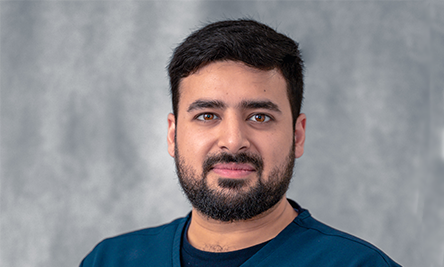
Senior Dentist at Integrity Dental
Dr. Muhammad Qasim Malik is a dedicated dentist with a passion for cosmetic dentistry, extractions, and root canals. With 6 years of experience, Dr Malik has honed his skills through courses, hands-on…

General Dentist
Dr Hema is a caring and dedicated dentist who is passionate about helping patients achieve healthy, confident smiles. She takes a gentle, patient-centred approach and believes that feeling comfortable,…

Hygienist
Juliana has worked as a hygienist and with Integrity Dental for 22 years. Passionate about dental hygiene Juliana is often attending seminars and reading up on the latest in dental practice. With this…
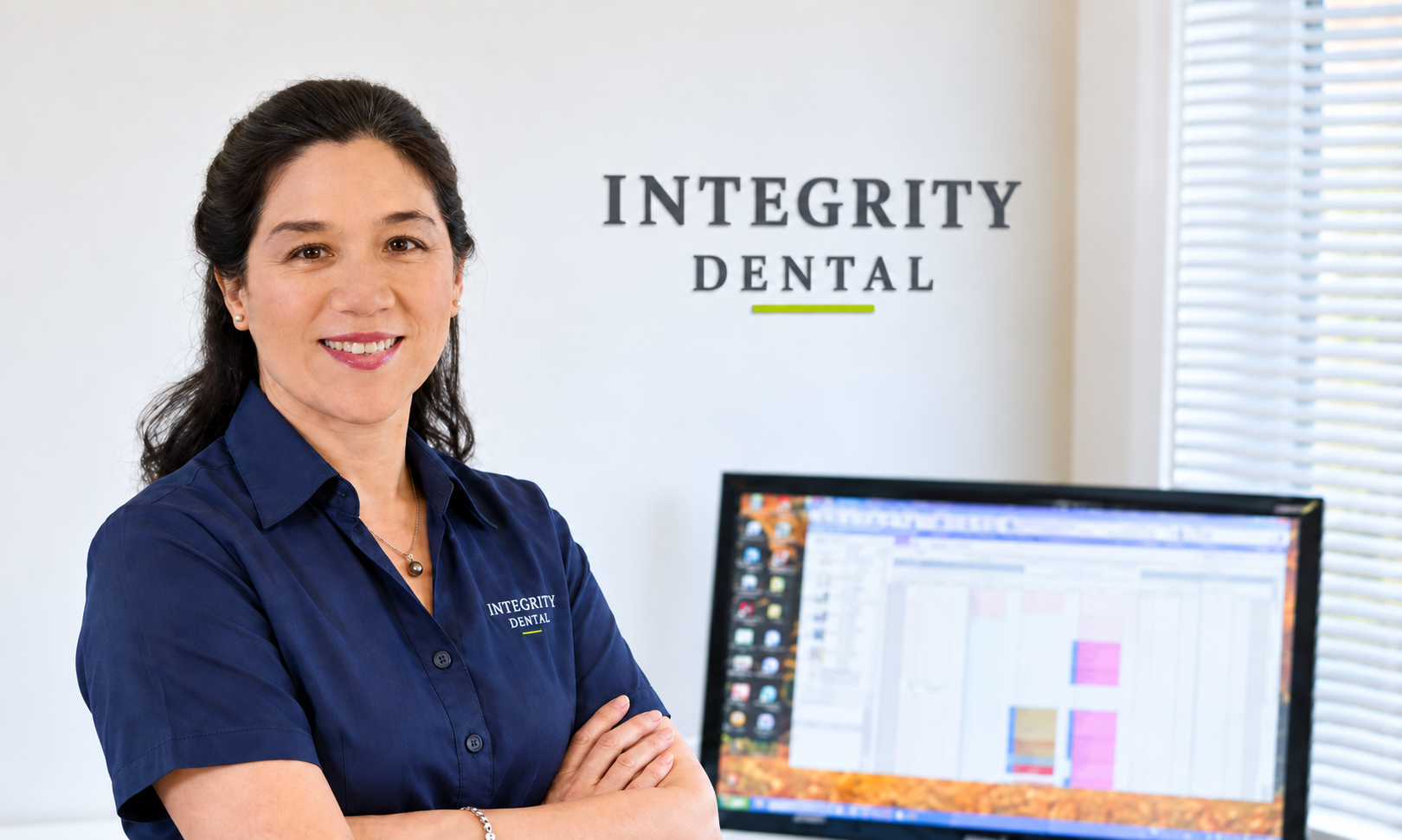
Hygienist
Yolanda worked in the dental field in Manila for more than thirteen years before moving to Australia. She graduated from the Dental Hygiene course in Adelaide in 2003…